
GUEST POST
Finding the Right Tutor: Why the Right Fit is crucial

Julian is an experienced tutor specialising in History and the EPQ, with over twenty years' tutoring experience and a highly personalised, structured approach. This article sets out practical questions and clear indicators to help parents choose the right tutor and judge whether tutoring is working.
Finding the Right Tutor: Why the Right Fit is crucial
By Julian F | Experienced History and EPQ Tutor | Sherpa Tutor
How Do I Know Which Tutor Is Right for My Child?
By asking the right questions, you are more likely to find the right tutor. Here are 10 questions I would consider when selecting a tutor.
Question 1: My Child Needs a Tutor. Where Do I Even Begin?
Before searching for a particular subject specialist, take a step back.
Ask yourself:
What Is My Child Struggling with?
Is it a lack of knowledge?
Are they struggling to apply what they know?
Do they understand the work but struggle in examinations?
Have they lost confidence?
Are they becoming frustrated or disengaged?
Or perhaps they are doing well but need someone who can stretch them further?
These are very different needs.
A student who has fallen behind in GCSE Maths may need to rebuild some fundamental knowledge. A student achieving good marks may need a tutor who can push them towards the highest grades. A student who knows everything required for a GCSE History examination may still struggle because they have not learned how to turn that knowledge into analysis and argument.
Don't start by looking for a tutor; start by understanding your child.
Question 2: Shouldn't I Just Choose the Tutor with the Best Qualifications?
Qualifications are only part of the picture. I'd encourage parents to ask a slightly different question:
Does This Tutor Have the Right Expertise for My Child?
A tutor may have an outstanding academic background, but does that mean they understand the curriculum your child is following?
Do they understand the examination system?
Do they know what separates a competent answer from an excellent one?
Do they understand how to explain difficult ideas to a teenager who is struggling?
Teaching is not simply about knowing the answer, but about knowing how to help someone else find the answer.
Question 3: How Can I Tell Whether a Tutor Will Understand My Child?
This is where I'd pay close attention to the questions the tutor asks you and your child. An experienced tutor should want to know:
What does your child already understand?
What do they find difficult?
What happens when they get something wrong?
How confident are they?
What do they enjoy?
What are they hoping to achieve?
What does their recent schoolwork tell us?
Those questions aren't simply about gathering information. They are part of the diagnosis. Good tutoring begins with listening.
Question 4: But Surely a Good Tutor Should Have a Programme?
A good tutor should have a clear sense of direction but also be prepared to change course when the student needs something different. Perhaps an explanation isn't working. Perhaps the student already understands the material. Perhaps they have an unexpected misconception. Perhaps they are ready for a much greater challenge than initially anticipated. They need to notice these things and change the teaching accordingly. That might mean changing the pace, the explanation, the questions, the examples, the level of challenge, or the type of feedback.
Question 5: What If My Child Doesn't Like the Tutor?
Parents sometimes worry that liking a tutor means the tutor isn't challenging enough. It is quite the opposite, as a positive relationship can create the conditions for much more demanding learning. A student who trusts their tutor is more likely to say: “I don't understand.” They are more willing to make mistakes. They are more willing to attempt something difficult and to listen when the tutor says: “That's good, but let's see if you can take it further.” The right student-tutor relationship can be incredibly powerful.
Question 6: My Child Has Lost Confidence. Can Tutoring Really Help?
Yes, but not by simply telling them that they are clever. Real confidence comes from experiencing success. A good tutor helps a student understand what they can already do, identifies the next step, and then gives them the support and challenge necessary to achieve it. Gradually, something changes. The student begins to attempt questions they previously avoided, and they become more willing to make mistakes. They start recognising their own progress and, eventually, they begin to say: “I think I know how to do it.”
Question 7: Shouldn't Tutoring Make Things Easier for My Child?
This is one of the biggest misconceptions about tutoring. The purpose of tutoring isn't to make difficult work disappear. It is to make students better equipped to tackle difficult work. Sometimes that means providing additional support, slowing down, or raising the level of challenge. A student capable of achieving an A* may not need easier questions. They may need someone to say: “You're ready for something more demanding.” The best tutors combine encouragement with high expectations.
Question 8: How Do I Know Whether the Tutoring Is Working?
Ask the tutor and your child. Don't rely entirely on a change in grades. Grades are highly important, particularly when students are preparing for important examinations, but they are only one measure of progress. Look for other changes too:
Is your child more confident?
Are they asking better questions?
Are they making fewer repeated mistakes?
Can they explain their thinking?
Are they tackling unfamiliar problems more independently?
Are they responding to feedback?
Are they becoming more organised?
Are they beginning to enjoy the subject again?
And, of course, over time, is their academic performance improving? Good tutoring should make progress visible.
Question 9: What Should My Child Be Able to Do Without the Tutor?
Ultimately, the tutor shouldn't be the person who always has the answer. They should help the student develop the ability to find the answer themselves. Over time, you want your child to become better at:
Recognising what they don't understand
Choosing how to tackle a problem
Checking their own work
Learning from mistakes
Using feedback
Approaching unfamiliar questions
Managing their own learning
The most rewarding moment isn't necessarily when a student gets a question right. It is when they look at a difficult question and say: “I know what I need to do.”
Question 10: How Much Should I Be Involved as a Parent?
Enough to understand the direction of travel but not so much that the tutoring becomes another source of pressure. Parents should know:
What the tutor is working on
What progress is being made
Where the main challenges are
What the next priorities are
How they can support learning at home
But the parent should also give the student space to develop their own relationship with learning. Sometimes the most helpful thing a parent can do is simply say: “How did your lesson go?”
So, What Should a Parent Look for When Choosing a Tutor?
Subject Expertise. Does the tutor genuinely understand the subject?
Teaching Expertise. Can they explain, question, challenge, and encourage effectively?
Diagnostic Ability. Can they identify why the student is struggling to achieve their full potential?
Adaptability. Can they change their approach when the learner needs something different?
Rapport. Does the student feel comfortable enough to ask questions and make mistakes?
High Expectations. Does the tutor believe the student can achieve more while giving them the tools to do it?
Independence. Is the tutoring gradually helping the student become less dependent on the tutor?
What Should a Parent Expect from an Excellent Tutor?
I'd expect the tutor to notice things.
The small hesitation before a student answers.
The misconception hidden inside an apparently correct answer.
The moment when a student is ready to be challenged.
The moment when they need encouragement instead.
Effective tutoring is an ongoing process of observing, questioning, adapting, challenging, and encouraging, and when that process is done well, something quite remarkable can happen.
A student who once avoided a subject begins to engage with it.
A student who lacked confidence begins to take risks.
A student who relied on constant help begins to work independently.
And a student who thought their ability was fixed begins to discover that they are capable of considerably more than they imagined.
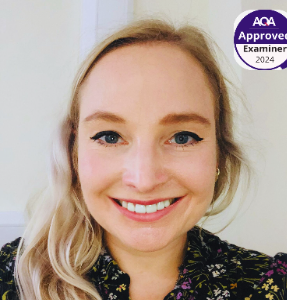
Meet the Author
Julian F.
Julian brings extensive experience in international education, academic mentoring, and curriculum-led teaching, with expertise in helping students develop the knowledge, analytical thinking, and examination skills needed to achieve their potential. His specialisations include History, Geography, Global Perspectives, and EPQ.
Having worked with learners across different ages, abilities, and educational contexts, he takes an intentionally individual approach to tutoring. Rather than applying a standard programme to every student, he begins by understanding how the student thinks, where the barriers to progress lie, and what they need to do next.
His philosophy is straightforward: “The purpose of tutoring is to create a more confident, capable, and independent learner. That means combining high expectations with personalised teaching, thoughtful feedback, and a clear focus on measurable progress. The right tutor doesn't simply teach the subject. They understand the student.”
Evidence Behind This Article
This article reflects my personal perspective as an educator, informed by research into tutoring, individualised instruction, and feedback.
Research suggests that tutoring can have a meaningful positive impact on learning, while also highlighting the importance of how tutoring is designed, targeted, and delivered.
Parents

Julian F
Tutor
Unlocking skills, boasting confidence, inspiring high achievement



Looking for a tutor?
Sherpa has hundreds of qualified and experienced UK tutors who are ready to help you achieve your goals. Search through our tutors and arrange a free 20 minute introduction through our industry-leading online classroom.
Find a TutorSimilar Articles
Is home-schooling the future of education?
The benefits of homeschooling are vast and varied. They can be seen in different areas of a child’s life, such a socially, emotionally, mentally and academically.
James Gurnett
21st September