GUEST POST
Rethinking Success: Why Bright Students Should Consider Skilled Trades Too
For years, schools across the UK have pushed a single message:
“If you’re bright, you do A-Levels. Then a degree. Then a career.”
But in 2025, that old script doesn’t match reality. Thousands of young people leave university with huge debts, uncertain job prospects, and little idea of how to actually do anything practical. Meanwhile, industries across the UK are crying out for skilled hands; electricians, plumbers, builders, mechanics and can’t find enough people willing, ready, or able to do the work.
As a Design & Technology tutor providing online tuition, I see this tension clearly. Students feel pressured down narrow routes that don’t reflect who they are. Skilled vocational paths are often dismissed, and talented young people are left feeling lost. Something needs to change.
The System Is Stuck in the Past
Many schools still operate with a decades-old mindset. If you’re “academic,” you go to sixth form. If you’re not, you’re pointed towards vocational routes as if they’re somehow second-best.
Often, this isn’t deliberate. It’s structural. Sixth forms rely heavily on pupil numbers to secure funding. Every student who stays after GCSE helps the school financially. So the message gets pushed: “Stay on. Do A-Levels. You’re too bright for a trade.”
As someone who taught for over twenty years and now works in online tuition, I’ve seen the impact this has on young people. Too many choose an academic path because it’s what the system encourages, not because it’s what suits them.
The Reality of Modern Trades
Outside the school walls, the world has moved on.
Today’s trades are highly skilled, technical, and often extremely well-paid. A good self-employed electrician or plumber can earn £60,000–£100,000 a year, sometimes more if they specialise in areas like renewable energy, EV charging, or smart home systems.
Compare that with the average UK graduate starting salary of around £25,000 and the imbalance is clear.
Trades also offer something rare today: tangible satisfaction. When you fix a boiler, wire a room, or build a wall, you can see the result of your effort. It builds confidence, pride, and purpose, especially for young people who need to feel capable and valued.
And let’s not forget student debt!
People will say “money isn’t everything,” and I agree. But we can’t pretend it doesn’t matter. The average student in England now leaves university with around £45,000–£53,000 of debt. That’s a huge financial weight to start adult life with.
Compare that to choosing a trade.
By the same age you could be:
- Fully qualified
- Debt-free
- Earning a very strong wage
- Confident in the skills you’ve built and the direction you’re going
It’s not about saying one route is better than the other it’s about being honest. Young people deserve to know that there are two paths, and one of them doesn’t involve decades of repayments before you even get started.
The Mental Health Reality We Can’t Ignore
Then let’s not forget the mental health epidemic affecting young people today.
So many teenagers struggle with money worries, anxiety, low confidence, nerves, and depression and then we ask them to make life-changing decisions under pressure at sixteen.
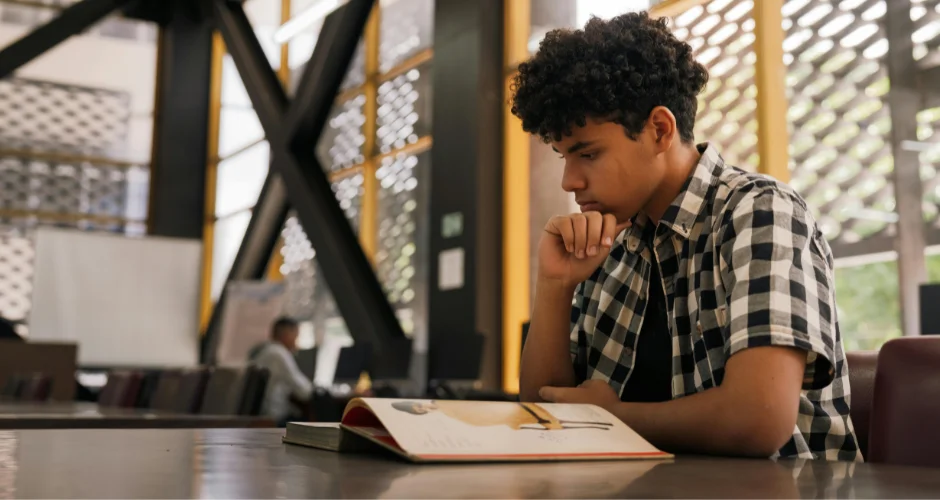
Now imagine instead that a young person found something practical and valuable that they were genuinely good at. Imagine the impact on their mindset if they felt competent, needed, and skilled.
Learning a trade doesn’t just build a career, it builds purpose, confidence, and a real sense of worth, all of which are vital for mental wellbeing. For a young person who’s feeling lost, overwhelmed or anxious, discovering they’re good with their hands or that they can fix something real can be life-changing.
The Work Ethic Problem No One Wants to Mention
I know tradespeople. I know electricians who are fed up to the back teeth with apprentices who don’t want to graft, can’t do the job, and won’t try to learn. A bricklayer in Amlwch told me his new apprentice refused to carry bricks, saying, “You can do that, I just want to lay them. That’s my job.”
That’s not exaggerated. That’s the UK in 2025.
We’ve created a culture where some young people see physical work as beneath them even though trades are among the most secure, respected, and necessary careers.
As a Design & Technology tutor delivering online tuition, I regularly meet students who’ve never been encouraged to explore practical skills. They’ve been told “aim higher” but never shown that skilled work is high-level work.
The solution isn’t to criticise them, it's to open their eyes to what’s possible.
Bright Minds Belong in the Trades
One myth I’m determined to challenge is that trades are for students who “aren’t academic.” It simply isn’t true.
The best electricians I know are brilliant problem-solvers. They visualise systems, calculate loads, diagnose faults, and think under pressure. That’s intelligence just applied differently.
The best builders I know are natural project managers. They budget, coordinate, communicate, plan, and deliver.
Working in online tuition, I see students with incredible practical intelligence who have been made to feel lesser because their strengths don’t match a traditional academic mould. That’s a tragic loss not just for them, but for the country.
Why Online Tuition Gives Students True Freedom
One of the biggest differences I’ve noticed since moving into online learning is the freedom it gives both tutor and student.
In school, pupils are often steered in certain directions because of funding pressures, staffing quotas, performance targets, or leadership agendas. Even well-meaning teachers can feel obligated to “sell” sixth form because the school needs the numbers.

Online, all of that disappears.
There’s no headteacher pushing targets.
No sixth-form recruitment politics.
No pressure to choose routes that benefit the school more than the student.
Instead, I can be honest.
As an online Design & Technology tutor, I can give career advice based solely on what’s right for the young person in front of me. If they would thrive in a trade, I can say that without hesitation. If they’re better suited to creative work, apprenticeships, practical college courses, or engineering, I can guide them there too.
Online tuition removes the noise and lets students explore who they really are.
Online Learning Lets You Truly See the Student, Not the Target
Another thing online tuition gives me is something classroom teaching rarely allows: time to truly know the student.
In large GCSE Product Design or D&T classes, teachers are stretched thin. Classes can be big, resources limited, and expectations unrealistic. Teachers are under immense pressure to hit targets, justify budgets, maintain results, and keep departments alive. None of this is the teacher’s fault, it's the system.
But the result is that individuality gets lost. Students become numbers on a spreadsheet.
When I teach online, that disappears. There’s just one young person, with their own strengths, fears, ambitions, and potential. I can slow down. Listen. Support. Encourage. And most importantly see them as a person, not a target.
That personal connection is often what unlocks real confidence.
Safety First: Because No Student Can Learn in Survival Mode
And here’s something I believe deeply:
If a student doesn’t feel safe, they cannot learn.
No matter how clever they are, no matter how well-planned the lesson is, if they feel anxious, judged, overwhelmed, or pressured, their brain goes into survival mode. In that state, learning becomes almost impossible.
This is where online tuition changes everything.
Platforms like Sherpa create a calm, secure space where students can finally breathe.
There’s no noise.
No crowd.
No pressure.
It’s just them and a tutor who is there to help.

The message is simple but powerful:
“You’re safe. You’re supported. We’ve got you , and you’ve got this.”
When a student feels safe, they flourish. Their confidence grows, their curiosity returns, and learning becomes natural again.
That emotional security is one of the greatest advantages of online education and one that often gets overlooked.
It’s OK Not to Know
This may be the most important message in the whole article:
It’s OK not to know what you want to do.
Young people are asked far too early, “What do you want to do when you leave school?” As if having a life plan at sixteen is a sign of success. It isn’t. It only creates pressure, worry, and self-doubt.
If you don’t know yet, it’s OK. Truly.
My advice is simple:
- Do as well as you can in as many GCSE subjects as possible.
- Keep your options open.
- Give your future self choices.
And please remember:
It’s OK. And it will be OK.
Most adults are still figuring life out too.
If you do know your direction, brilliant , pursue it with everything you’ve got. But if you don’t, that’s not failure. It just means your story is still being written.
Final Word
Not everyone belongs in a lecture hall. Some belong on the tools, solving real problems and shaping the world around them. There’s nothing second-best about that, it’s every bit as valuable.
We’ve spent years telling young people to “follow their dreams.” Maybe it’s time we also encouraged them to learn a real skill , because in doing so, they might find both purpose and a career.
Carl Hughes is a Design & Technology tutor providing online tuition through Sherpa. He has over 20 years of classroom experience and is passionate about creativity, practical learning, and helping students find their own path to success.
Parents
Students
Carl H
Tutor
QTS Teacher & Examiner | 20+ Years’ Experience | Calm GCSE & A-Level Support | New Students Welcome



Looking for a tutor?
Sherpa has hundreds of qualified and experienced UK tutors who are ready to help you achieve your goals. Search through our tutors and arrange a free 20 minute introduction through our industry-leading online classroom.
Find a TutorSimilar Articles