

GUEST POST
Using the exam board specification to your advantage
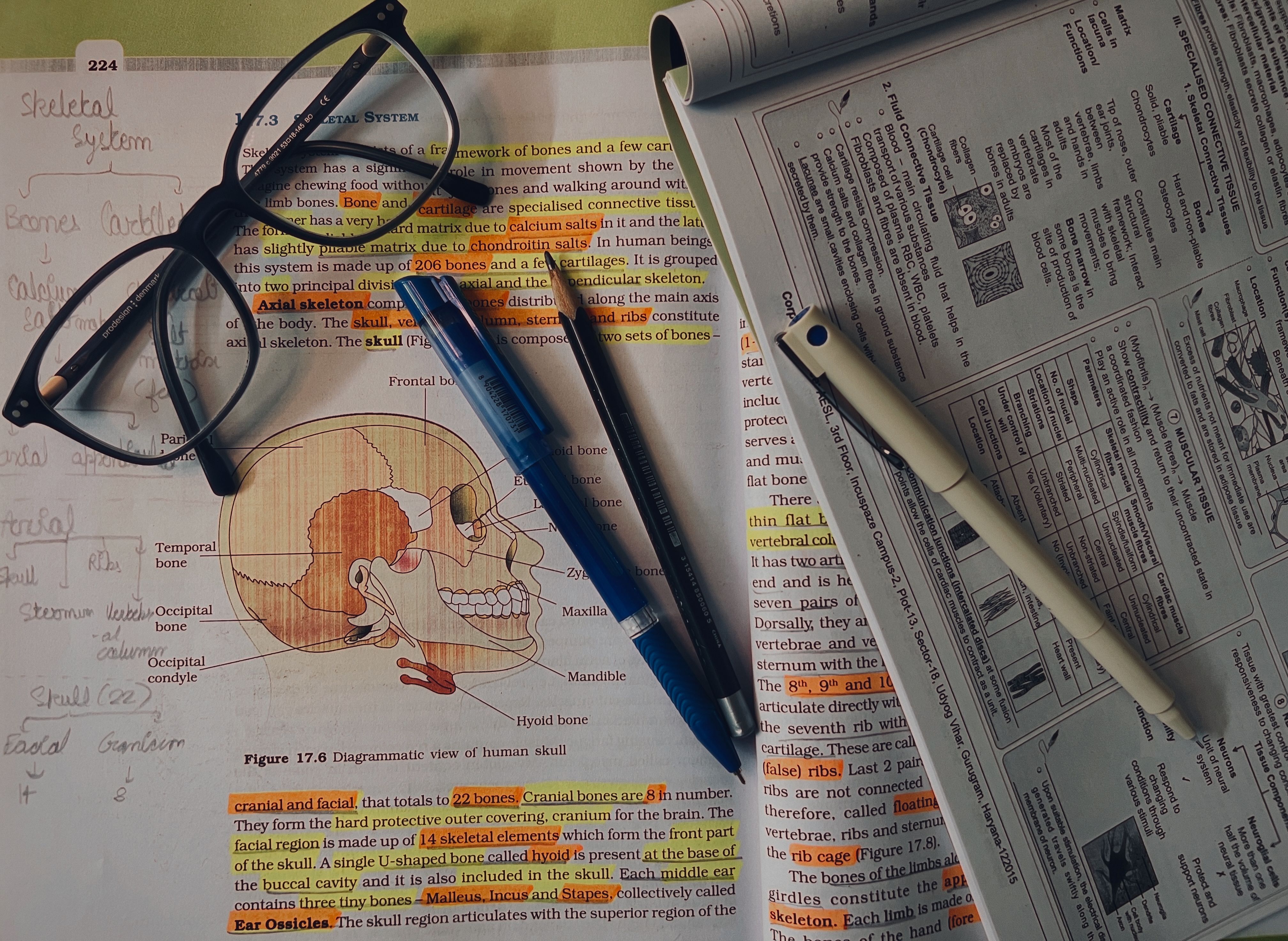
Neha is a Dentistry student and GCSE/A Level Tutor who centres learning on exam-board specifications and guided past paper practice. Whether you're revising for GCSE Maths or GCSE Combined Science, this article shows how to use the exam-board specification with mark schemes and past papers to focus revision and spot knowledge gaps.
Using the exam board specification to your advantage
By Neha S | Dentistry Student and GCSE/A Level Tutor | Sherpa Tutor
You may have heard your teachers at school talk about the specification at the start of the academic year. As time goes by, the specification often gets neglected, but it is key to doing well in exams.
Alongside past paper practice, the specification tells you what content is examinable, keeps your revision focused, and shows the level of detail you need to know, including any additional knowledge from lab practicals in GCSE Science or from poetry anthologies in GCSE English Literature. The specification can also be used for A Level subjects.
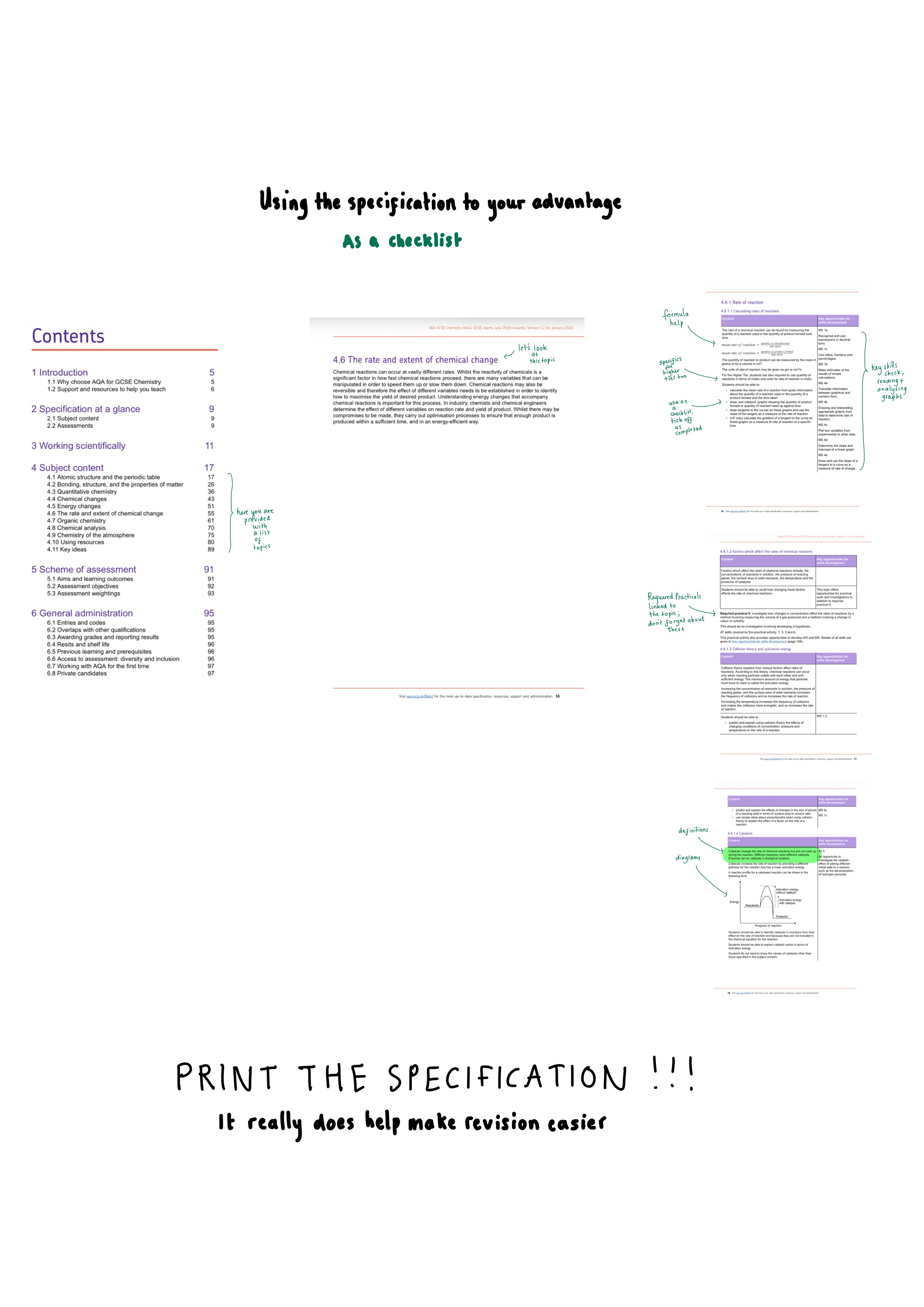
When revising for an exam, it’s hard to keep track of what you have covered and what you still need to cover. The specification helps you identify any gaps.
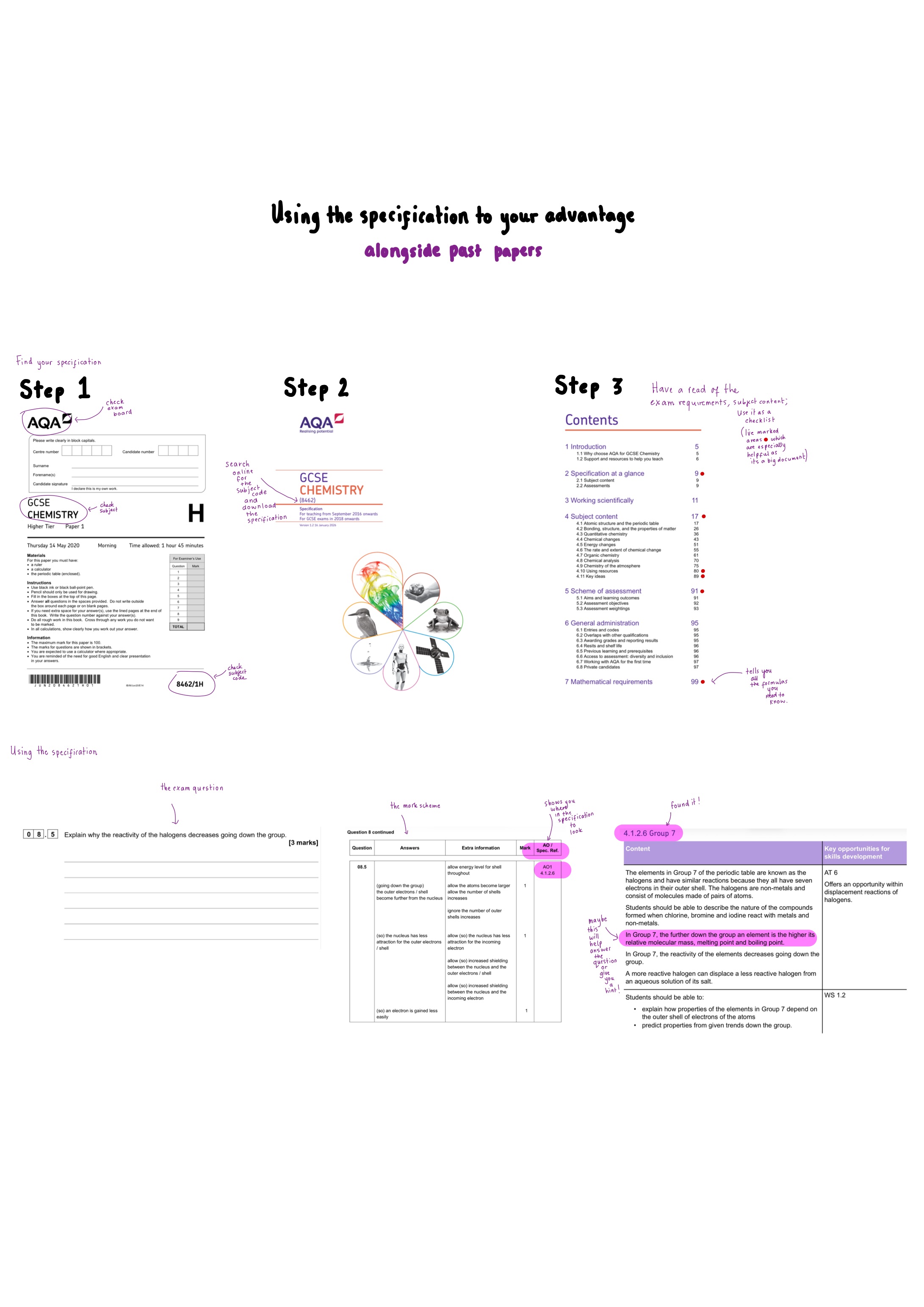
Mark schemes from each exam board refer back to the specification, making it a great tool to keep handy. These mark schemes also show students where in the specification to look for formulas, practicals, and information.
In the images attached, I’ve shown examples from GCSE Chemistry of how you can use your specification to aid your learning.
Happy studying!
Written by Neha S.
Parents
Students

Neha S
Tutor
Dentistry Student 🦷 GCSE & A Level Maths, Chemistry & Biology Tutor 📚 Guided Past Paper Practice & Real Improvements 🏆



Looking for a tutor?
Sherpa has hundreds of qualified and experienced UK tutors who are ready to help you achieve your goals. Search through our tutors and arrange a free 20 minute introduction through our industry-leading online classroom.
Find a TutorSimilar Articles