

GUEST POST
How Digital Flashcards Can Improve Your GCSE Revision
Harry is a third-year Durham History student and GCSE tutor with 150+ lessons taught. This article explains how digital flashcards and spaced repetition can streamline GCSE revision in subjects like GCSE Maths, when to use them, and the pros and cons versus physical cards.
How Digital Flashcards Can Improve Your GCSE Revision
By Harry P | Durham History Student and GCSE Tutor | Sherpa Tutor
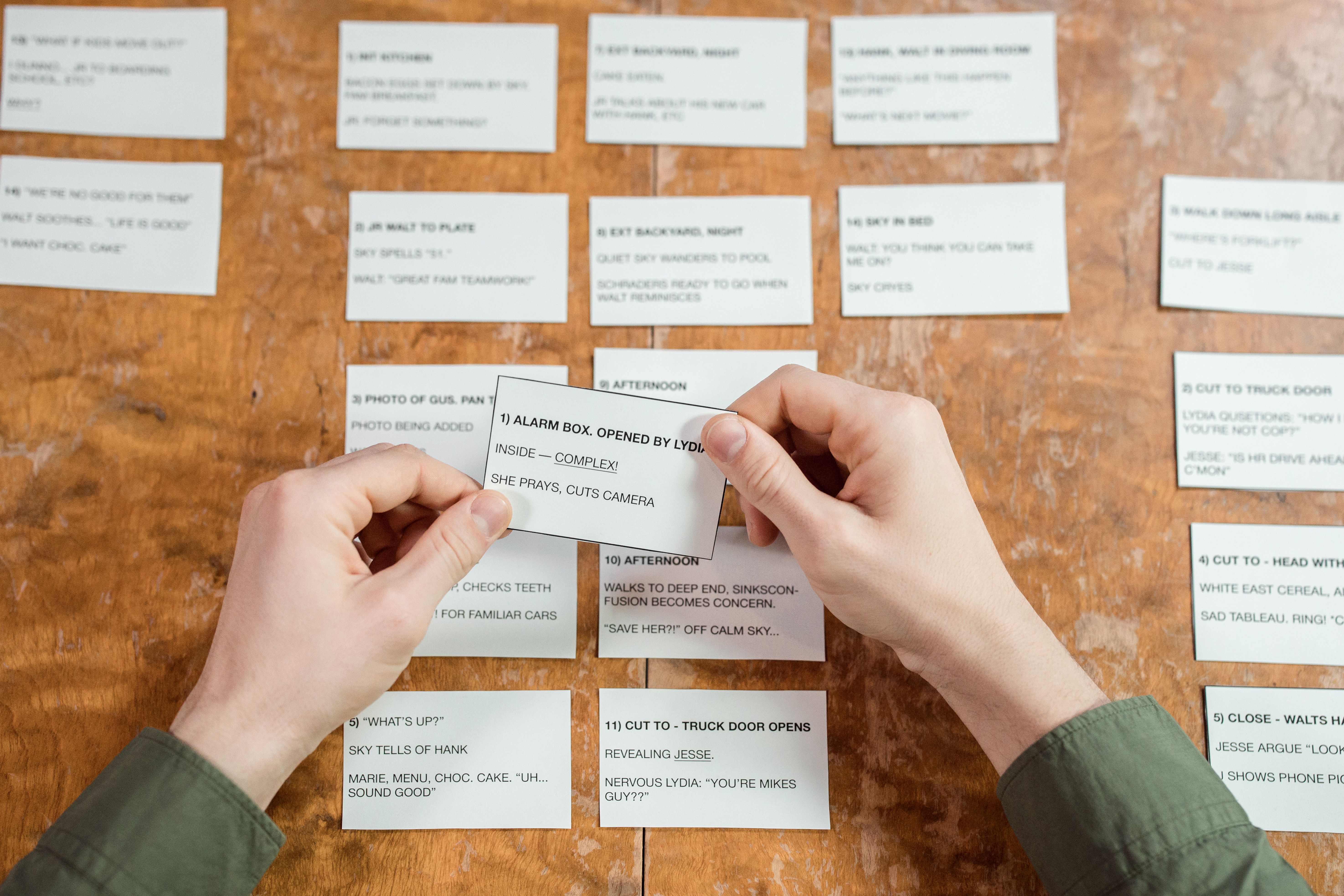
How many students have been given a colourful set of square cardboard cut-outs by their parents and told to make flashcards with them? How long did it take to make these flashcards? How many did students actually review? How many students became fatigued by making flashcards before they even used them?
These questions reflect some of the issues that many students encounter when using physical flashcards to revise for their GCSE and A-Level exams. In fact, I was once one of these students myself. Several years ago, as a fresh Year 10 student, I spent countless evenings making hundreds of flashcards for my various subjects. Once I was done, the four hundred flashcards sitting on my desk were simply too daunting to begin tackling. After dozens of hours spent making them, I did not touch my flashcards.
Of course, this is not necessarily the case for all students, and this article is not a blanket prescription for students' memorisation techniques. However, I would like to point out some of the problems with physical flashcards and offer some solutions - in the form of digital flashcards.
The Problems with Physical Flashcards
Aside from the fact that I found my tower of flashcards personally overwhelming, there were other systemic issues. Many readers might have heard of 'spaced repetition' in conversations about flashcards and active recall techniques. Indeed, this is integral to spacing out your flashcards properly, depending on which ones you find easier and which you find more difficult.
Research into learning techniques has consistently identified practice testing and distributed practice - essentially, actively retrieving information and spreading revision over time - as particularly effective for learning.
Physical flashcards can be used with spaced repetition. For example, the Leitner system involves putting cards into different boxes depending on how well you can recall them, and reviewing cards at different intervals. However, when you have hundreds of cards across several subjects, managing this system can become quite cumbersome.
With around ten subjects studied at GCSE level, a student using five different difficulty levels could theoretically end up managing fifty different piles. I think it is safe to say that this is simply impractical for many students.
Another aspect of this is that a sixteen-year-old student cannot realistically be expected to calculate a separate review schedule for every single flashcard. A digital flashcard system can do much of this work automatically. For example, Anki uses your responses to determine when cards should be shown again, with cards that are harder to remember generally being reviewed more frequently than those you can recall easily.
Aside from the memorisation benefits, this can prevent students from wasting excessive time reviewing cards that they already know well. Instead, the system can help students focus their attention on the information that they are actually struggling to remember.
Digital Flashcards as a Solution
I could go on about the issues with physical flashcards, but I would like to offer solutions. As I have mentioned, many digital flashcard platforms have built-in spaced repetition technology. Aside from this, students have myriad options for creating or using pre-made digital flashcards.
Platforms like Quizlet have numerous banks of pre-made flashcard sets, which range from GCSE Sports Studies to a specific theme for your GCSE Macbeth revision. This can be highly effective for saving the time it takes to make flashcards and can give you very broad coverage. Quizlet also offers scheduled review, which uses students' responses to help determine when they should review material again.
However, students should still be careful when using pre-made decks. A flashcard set created by another student might not perfectly match your exam specification, and simply having access to a large collection of cards does not mean that you have learnt the information. Students should check that the material is accurate and relevant before relying on it for their revision.
Alternatively, students can take a step up and use platforms like Anki or RemNote (the latter of which was my platform of choice). Anki is particularly noteworthy as it combines pre-made decks with sophisticated spaced repetition technology. RemNote also shares the latter feature, but relies more heavily on you creating the decks yourself. I should note that it is still quicker to make decks online than with physical cards.
As a tutor, I have also found that one of the biggest problems students face with revision is not necessarily a lack of effort. Students can spend hours producing notes, flashcards and other revision materials without spending enough time actually testing whether they can remember what they have learnt. This is why I think it is important to distinguish between making revision materials and actually revising.
When Should You Use Flashcards?
Of course, flashcards are not the answer to every revision problem. They are particularly useful for information that needs to be recalled quickly, such as definitions, dates, quotations, vocabulary and key facts. However, they should not replace practising the skills that students are actually assessed on in their exams.
For example, a GCSE English Literature student can use flashcards to memorise quotations, characters and contextual information, but they will still need to practise writing essays. Likewise, a GCSE History student can use flashcards to memorise dates and key events, but they will also need to practise constructing arguments and analysing evidence.
The purpose of digital flashcards is therefore not to replace every other revision technique. Instead, they can make one particularly important part of revision - the active retrieval of information - much easier to organise.
Conclusion
Before I ramble for too long - some may not be as enthusiastic about flashcards - I will end this article with a simple suggestion. If you have not tried digital flashcards, put some time aside and experiment with one of these platforms.
At GCSE level especially, strong subject knowledge is essential in many exams. If you can build that knowledge through effective active recall and spaced repetition, you can then spend more of your revision time practising the skills that your particular exams actually assess.
The important thing is not that every student should abandon physical flashcards. If physical flashcards work for you, there is no reason to stop using them. However, if you find yourself spending hours making hundreds of cards and then never actually reviewing them, digital flashcards could be a much more efficient alternative.
Parents
Students

Harry P
Tutor
Third-year Durham History student with 160+ lessons taught across all platforms.



Looking for a tutor?
Sherpa has hundreds of qualified and experienced UK tutors who are ready to help you achieve your goals. Search through our tutors and arrange a free 20 minute introduction through our industry-leading online classroom.
Find a TutorSimilar Articles