

GUEST POST
Why Technical Theatre Is a Blind Spot For Most Drama Students
Lucy is a qualified Drama Teacher and former professional Stage Manager with a BA in Technical Theatre, a PGCE and an MEd in Visual Impairment. Having contributed to Edexcel textbooks for both GCSE and A-Level Drama and taught all UK exam boards including Cambridge IGCSE, she brings rare backstage expertise to her tutoring.
Here, she makes the case for why genuine exposure to technical theatre is the one thing Drama teachers and students cannot afford to skip.
The Importance of Knowing Your Fresnel From Your Parcan
By Lucy | Drama and Theatre Studies Teacher | Sherpa Tutor
One of the potentially challenging jobs of a Drama teacher is preparing students to write about the technical and design aspects of a set text. Without a background in this area, it can be hard to know where to start. It's also incredibly tricky for a student who has no exposure to technical theatre.
As a teenager obsessed with theatre, I spent a lot of time at my local theatre. Not only did this build my confidence in terms of performance and understanding theatre roles and techniques, but it also taught me the language of theatre design and technical areas. It fuelled an interest that led me to train to become a Stage Manager, and now, as a tutor, I specialise in helping students learn how to write about these technical areas.
In both GCSE Drama and A-Level Drama, students are expected to describe how they might stage a scene from a set play, and to evaluate the technical aspects of a theatre production that they have seen live.
It's very difficult to do this without understanding the language of design and technical departments, such as lighting and sound. I frequently find that a student will have an idea of how they want their set to look or their lighting cue to run, but they have no idea how to create it or describe it to someone else. When that someone is an examiner, this can be an issue.
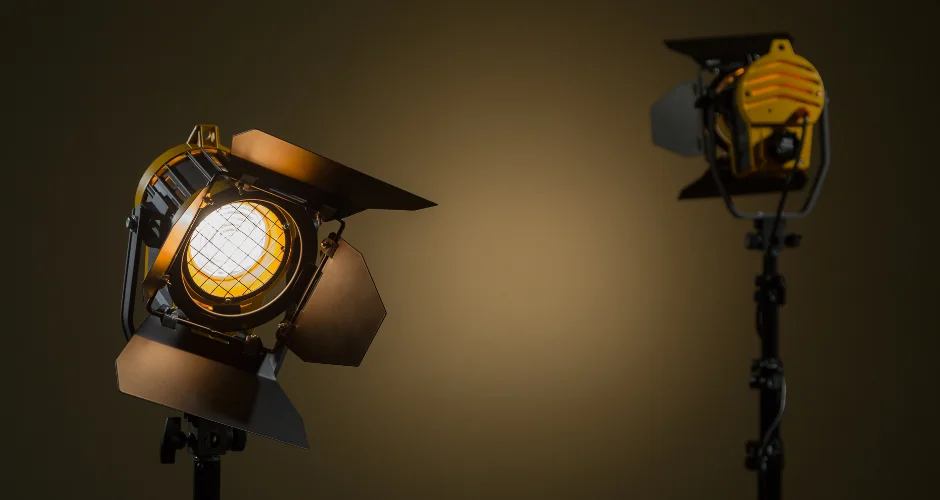
Many school teachers provide their students with vocabulary lists for technical questions, such as types of lanterns. A fresnel is a common addition to this list. However, most students I tutor do not know the correct pronunciation of this lantern, which suggests that the teacher has never said it aloud (or has said it incorrectly) and that they have never encountered a fresnel being used in a theatrical space to light the stage.
What Needs to Change
My argument is that students need exposure to technical theatre, whether through their own school theatre departments or by approaching local theatres to learn and find out more. I was blessed with having The Watermill Theatre, Newbury, as my home theatre, and they taught me so much vocabulary through work experience, Saturday drama groups, and working as an usher. I saw the lanterns in use; I learned their names; I PAT-tested them. Eventually, I was able to describe how they could be used.
Teachers can help with these gaps in knowledge by doing their own research. Learning about the range of colour gels used in lanterns is a great place to start - these can be found online through Lee Filters and Rosco. Once you begin to understand how colour works on the stage, it becomes easier to help students understand this too.
So, if you're a parent of a Drama student, a teacher of Drama, or a Drama student at GCSE or A-Level, please don't underestimate gaining hands-on knowledge in lighting, set design, sound, and costume. Even a short backstage tour at your local theatre can help.
Teachers can also look for courses with ETC Theatre or excellent downloadable resources such as these.
And please, learn how to pronounce fresnel (freh-NEL). Trust me. It helps.
Students

Lucy
Tutor
Specialist Drama teacher and Stage Manager. Available for tutoring and for LAMDA preparation.



Looking for a tutor?
Sherpa has hundreds of qualified and experienced UK tutors who are ready to help you achieve your goals. Search through our tutors and arrange a free 20 minute introduction through our industry-leading online classroom.
Find a TutorSimilar Articles