

GUEST POST
The Art of Thinking: Surviving the AI Pandemic
Kiran is a third-year medical student specialising in GCSE Biology, Chemistry, Physics and Combined Science, with a particular focus on exam technique. In this article, she explains the science of neuroplasticity and cognitive offloading, and how students can use AI without losing their own problem-solving skills.
The Art of Thinking: Surviving the AI Pandemic
By Kiran K | Medical Student and GCSE Science Tutor | Sherpa Tutor
Introduction
"ChatGPT, what is 2 + 2?"
"ChatGPT, should I bring an umbrella if it's raining?"
"ChatGPT, should I apologise?"
What happens to the brain when we stop asking ourselves questions? It seems to be an alarmingly fast-growing dilemma in this new era of technological development. We are all well aware of how AI can make life easier - from answering your GCSE Science or GCSE Maths homework to planning your diet - but is easier necessarily better?
Neuroplasticity: Our Brains Are Play Dough
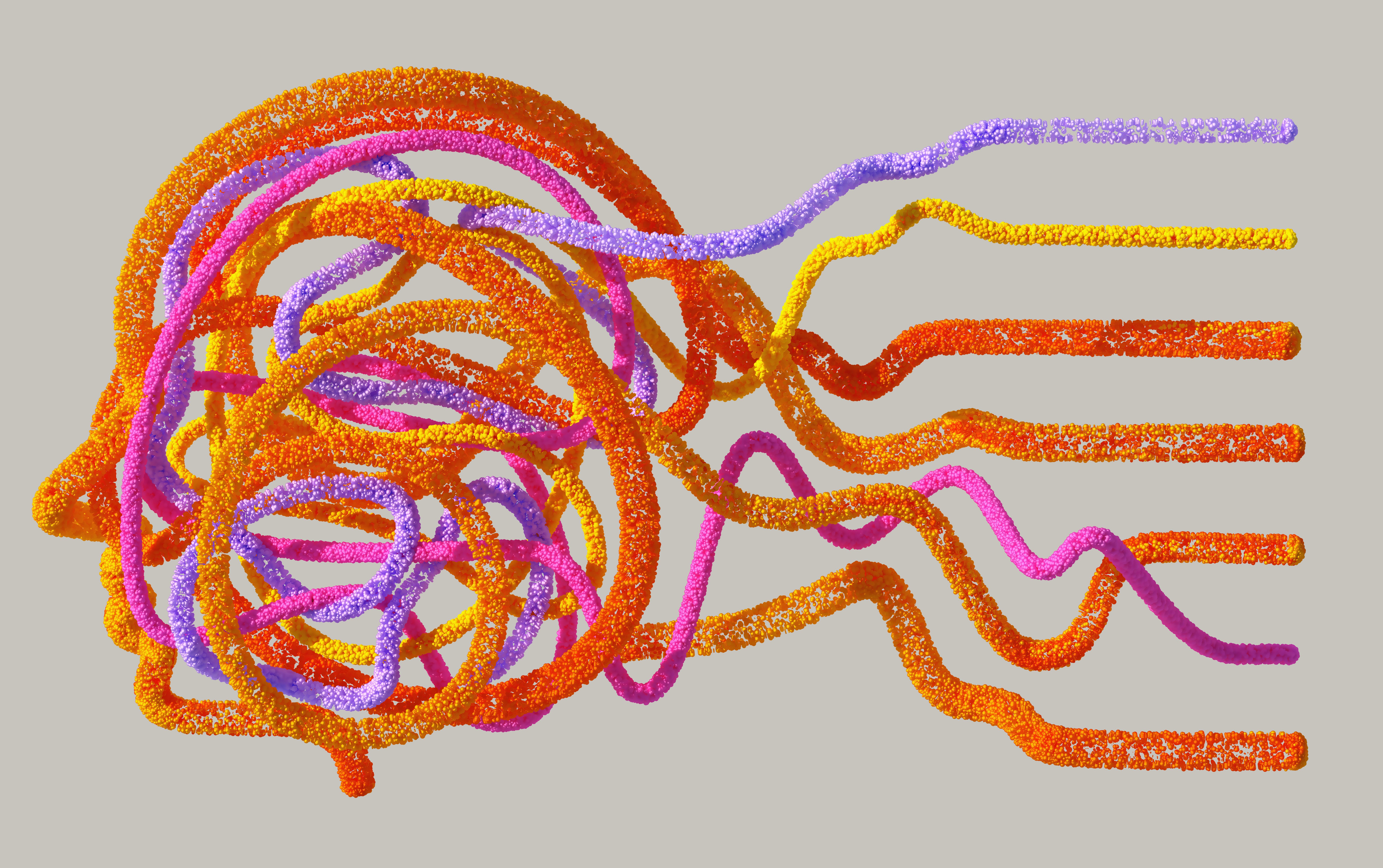
Problem-solving has been shown to improve reasoning, cognition, creativity, and our adaptability to new environments and situations. These are topics you'll meet in GCSE Psychology. This is attributed to an incredible process scientists call neuroplasticity. Neuroplasticity refers to your brain’s ability to change, learn, and grow. Much like how you can mould a piece of clay into any shape you want, the same is true of our brains. It’s the process where we make new neural connections when navigating unfamiliar or difficult experiences, essentially rewiring our view of the world.
Whilst it is active throughout our lives, it’s most prevalent in children and teens. What someone goes through during these critical years of their lives determines much of their future personality, habits, and behaviours. Making those strong neural connections and mastering a task require the active process of figuring something out on your own. Without challenging ourselves, this becomes a lot harder.
Essentially, the harder pathway - although it may feel much more frustrating and slower - is what will make your neural connections and understanding of the topic better!
AI Robs Us of This Process - Cognitive Offloading
Having everything available at the drop of a hat is an incredible advancement in technology, one that has made life better in so many ways - but at what cost?
AI models are designed to be agreeable and supportive; you can make them believe almost anything if you argue enough, and that’s where the danger lies. If our thoughts and ideas aren’t challenged, we can never grow past our own limited perspectives. This is why it can’t ever replace the quality of real human teaching: your teachers will challenge you, and those challenges make you stronger, more well-versed, and more confident in your stance. Used passively, AI will keep you exactly as you are. It can lead to a narrow-minded society with little diversity in thought and creativity.
Instant answers are great for getting rid of homework, but if we aren’t given the opportunity to challenge ourselves and work through a problem, our brains regard it as less useful information, making it much harder to retain. The process of using external aids to achieve cognitive tasks is termed cognitive offloading - where you take the burden off your brain to quickly achieve a task. Consistently doing this results in dependence on AI for every small thing. Like a muscle, cognitive skills can become stronger the more you train them and weaker the less you use them.
One can therefore see how misusing AI for every menial task and immediately obtaining answers (without having to work for them) is actually detrimental to your drive and ability to use your problem-solving and creative skills.
The Solution
Despite uncertainties regarding its role in education, AI is the undeniable future, and it makes sense to use it and understand how it can be applied usefully. How can we do so without falling into the trap of losing our reasoning skills?
It’s simple! Use it as a tool, not a brain.
A student’s primary mode of studying should still be actively seeking information and practising recall. Applying your knowledge is where AI becomes particularly useful. You can ask it to:
Create problems for you to work through
Generate real-life scenarios (and solve them on your own)
Role-play as someone who doesn’t understand
Mark your answers and criticise them
Using it like this is far more productive than getting the answer straight away because it forces you to think. It can act much like a tutor, although it can’t replace the human connection and constructive criticism you’ll receive from a real person.
After attempting questions on your own, you can ask it to help walk you through where you went wrong. The key point to remember is to let it show you the process and not just the answer - challenge it! That is what separates a thinker from a follower.
As always, make sure to double-check that information is accurate; you certainly don’t want to send your teacher a GCSE English essay that starts with "As an AI language model..."!
Parents
Students
Tutors

Kiran K
Tutor
3rd Year Medical Student Tutor | 3 Years' Experience | Science Specialist



Looking for a tutor?
Sherpa has hundreds of qualified and experienced UK tutors who are ready to help you achieve your goals. Search through our tutors and arrange a free 20 minute introduction through our industry-leading online classroom.
Find a TutorSimilar Articles
How To Write The Perfect Essay
For most people going through college or coming towards the end of secondary school, they are going to come face to face with many essays. Knowing how to write a good essay is key to making s
Sebastian Owen
2nd October
