

GUEST POST
Why Home Education Tutoring Is About More Than Academics

Tutor Ryan is a qualified teacher and former Head of Year with 20 years' experience supporting SEND learners, helping students build the confidence, structure and success they need to thrive. Here, he shares his personal experience of tutoring home-educated students
When people think of a tutor, they think of a teacher who is correcting English work or preparing a student for exams, GCSEs, 11+ exams etc. While that's certainly the job of many private tutors, I believe tutoring home-educated students is also about so much more than academics.
When the Best Lesson Is the One You Didn't Plan
By Ryan C, a qualified teacher, Mentor and former Head of Year.
Before deciding to tutor full-time I worked in Inner London schools for 18+ years. During this period I was a Head of Year, Head of Department, Mentor for Trainee Teachers and Newly Qualified Teachers, as well as part of the Safeguarding team.
Every child I worked with was different during my time teaching in mainstream education. Some are thriving in school, some have additional needs such as ADHD, autism or SEMH, and others have had a difficult experience with education and simply need someone to help rebuild their confidence. Although I enjoyed being a Head of Department, I found my work as Head of Year a great deal more rewarding, and difficult.
Why Tutoring Home-Educated Students Is Different
The transition from mainstream leadership to 1:1 tutoring was interesting, and made me have to adapt and tailor my teaching style to an individual rather than a group of 30.
I really enjoy finding the thing that works for a student, and I am sure that many other tutors enjoy this process also. In mainstream education, students are expected to comply with the style of teaching, whereas with tutoring the teacher/tutor has to mould their delivery to the needs of the student.
There was a basketball coach (John Mosley) at East Los Angeles College (ELAC) who used to say, "Rules before relationships equals rebellion." This quote encapsulated my whole philosophy on teaching, both academically and pastorally. This coach was working with students who didn't make it to the big colleges for sport, but were in the community college system, quite often due to attitude, behaviour and negative experiences with education.
Imposing standards and rules on people before establishing trust will cause them to resist, push back or quietly resent the process.
Building Confidence Before Academic Progress
I feel that confidence and trust is necessary before academic progression is evident.
I've found that once a young person starts believing in themselves again, the learning naturally follows. Sometimes the biggest success in a lesson isn't finishing a piece of work; it's seeing a student realise they can do something, or that they enjoyed learning. Those moments are far more important.
I have worked a great deal with students who are not accessing mainstream education, who have a very negative outlook on their futures and do not believe they will amount to anything. This is often due to the fact that they think they failed in education due to not fitting in with mainstream expectations. I have also worked with students who had a good outlook on education, but preferred the experience of 1:1 learning.
The student is not the problem. The box we try to fit all students into is. This is where tutoring really excels: it helps students overcome barriers to education and gives them the support and guidance they need and deserve.
The aim of a tutor is to develop independence, resilience and a genuine enjoyment of learning. My goal is for students to become confident learners who no longer need me — students who move back into a school, an apprenticeship scheme or, in some cases, higher education.
Working in Partnership with Parents
Working with home-educated students is also a partnership with parents. No one knows a child better than their family, and by working together we can create an education that truly suits the individual, rather than expecting them to fit into a system that may not have worked for them.
And yes, I do try to make lessons enjoyable too. There have been many instances where my plans for the sessions went out of the window in ten minutes and we pivoted into another area of interest, guided by the passion of the student. Learning shouldn't feel like a punishment. A bit of humour, real conversations and adapting lessons around a student's interests often make all the difference.
The main aim of a tutor who works with home-educated students is to provide high-quality, personalised education that helps young people grow in confidence, achieve academically and enjoy learning again. Every student deserves to feel capable, supported and excited about what they can achieve, and it's a privilege to be part of that journey.
A Real Example: Teaching Through a Passion for Motorbikes
To finish, I was teaching a student who refused to engage in any form of education. When he started with me, I found out he loved motorbikes, so I adapted all of my lessons to involve motorcycles and biking in some capacity. I wove in topics from GCSE Maths, GCSE English and GCSE Combined Science, plus GCSE History - all related to motorbikes.
This was how I engaged him in learning: finding what he liked, then adapting what I did around the student. This is what tutoring allows. A truly personalised education.
Parents
Students
Tutors
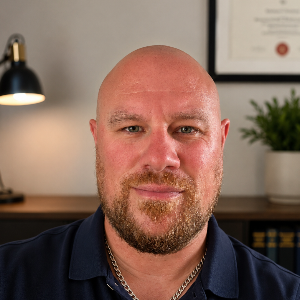
Ryan C
Tutor
20+ Years' Inner London Teaching Experience | Passionate and Caring Tutor



Looking for a tutor?
Sherpa has hundreds of qualified and experienced UK tutors who are ready to help you achieve your goals. Search through our tutors and arrange a free 20 minute introduction through our industry-leading online classroom.
Find a TutorSimilar Articles

Is Online Tutoring Effective?
Online tutoring has rocketed in popularity since the COVID-19 pandemic. But is it more effective than face to face tutoring?
Ethan Carter
15th July