

GUEST POST
What Is EBSA and How Does Online Tuition Help?
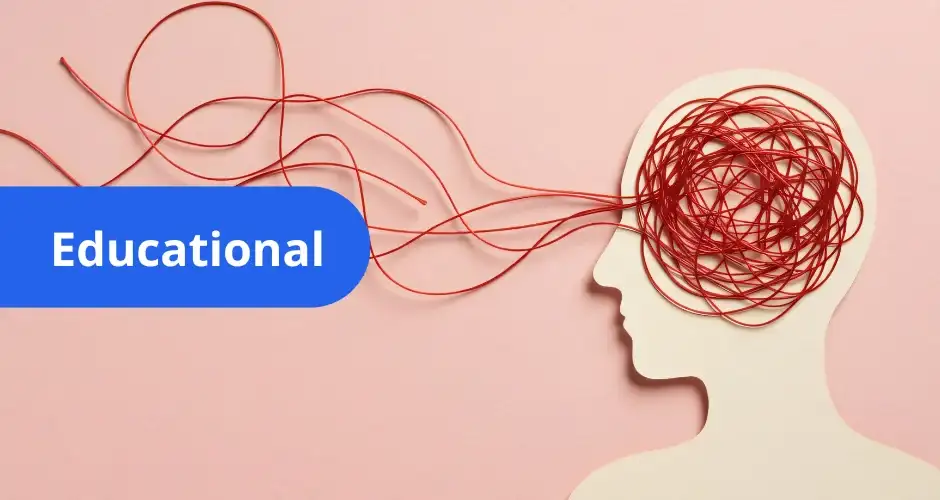
Over the last couple of decades, understanding of EBSA has been enhanced by research, changing understanding for colleges, schools, parents and the students themselves. This is essential in implementing interventions that help, rather than hinder, the well-being and progress of your child.
The Basics
What is Emotionally Based School Avoidance?
The relatively recent terminology EBSA is key in differentiating truancy or absence due to conscious choice on the part of the child or young person and recognising that their absence from, or resistance to, school or college is emotionally-based and psychological rather than intentional.
EBSA affects students of all ages, though reasons, symptoms and interventions may vary between students attending Post-16 education and younger students still at school.
In this blog, we will discuss the similarities shared amongst the age groups and then consider potential differences between causes, symptoms and management strategies for Post-16 and younger pupils.
Although cases of EBSA have increased slightly since COVID-19, it is not a new occurrence. Students demonstrating EBSA usually have underlying emotionally based challenges and/or anxiety that makes it difficult for them to attend. Reasons differ from student to student.
The onset could include academic or social pressures, sensory overload, aspects of the school environment, worries at home, or issues with transitions. This list is by no means exhaustive. Aside from these, certain events can trigger intense feelings of anxiety, which can lead to EBSA. For example, this could be the death of a loved one, or significant changes at school or home, school or college.
Students displaying EBSA may lack positive peer relationships, be struggling in a subject or with a member of staff, or be experiencing bullying. There are numerous reasons and your child may be the only one with the answers. Early identification of EBSA is a positive step in avoiding further entrenching the behaviour and making reintegration into education more difficult for the child or young person.

EBSA and Anxiety
For the student, anxiety about attending school can become so intense that they will do anything to avoid these feelings. This is part of our biological make-up. Extreme anxiety can convince our nervous system that we are in danger, which then triggers our desire to fight, freeze or flee.
This level of anxiety can manifest as any of the following: sleep problems, increased need to control, difficulty managing emotions such as crying, anger outbursts, agitation or impatience, having overly high expectations of oneself, negative thinking (predominantly about self and what may happen in any situation), struggling with attention and focus, a need for predictability (or notable struggle with uncertainty), worrying, stomach or headaches, and loss of appetite.
The anxiety cycle can exacerbate the problem. They feel anxious, avoid the situation, experience temporary relief, only to feel more anxious, and on it goes. In a 1990 study, Kearney and Silverman identified four main reasons for EBSA:
- The avoidance of anxiety and low mood
- The avoidance of situations perceived to be stressful, such as academic pressures
- To reduce separation anxiety or gain attention from others
- To pursue individual reinforcers of positive feelings outside of school (shopping/gaming/TV etc.)
We are primed to escape situations that may feel threatening. In order to support a young person experiencing EBSA, the solutions are multifaceted. We need to identify the source of distress, work collaboratively to address the causes, enable the child to develop ways to cope, and assist in developing their confidence, both in their abilities to manage the sources of stress and in their academic studies.
For Post-16 students, this is a particularly transitory time in their lives. Not only can the change to a new academic institute prove challenging, but so can the adjustment to new peers and academic expectations. Students are navigating the evolution from childhood to adulthood, learning to live with fluctuating hormones and often facing pressure to think about their futures.
Peer support and a sense of belonging whilst exploring their identity can be problematic for some. However, peer support, connectivity and a sense of belonging tend to be essential elements of wellbeing.

EBSA: What the Research Says
The term EBSA is intentionally used to shift the focus from deliberate refusal to attend to the underlying emotional challenges. Even in 1999, statistics showed EBSA impacted 1-2 % of the UK school population (Flidt). There is no evidence that socioeconomic background or gender impacts the likelihood of a child or young person developing EBSA.
The theoretic framework of Push and Pull (factors that ‘push’ a child or young person into an avoidant state, and those that ‘pull’ them back, enhancing their ability to cope etc.) suggests that interventions are needed to reduce push factors and introduce more pull factors, enhancing a student´s ability to cope, feel more confident and motivated, and be more encouraged to reintegrate.
Knowing what an individual´s unique push factors are will help unify holistic interventions to improve educational attendance.
The Impacts of EBSA
The quicker EBSA can be identified and addressed, the quicker the student can be supported with the difficult feelings they are experiencing. The more entrenched a student becomes in avoiding their educational institute, the harder it is for them to manage the compounding overwhelm that keeps them from attending.
Consistent lack of attendance can impact a multitude of areas. For example, falling behind in their subjects is likely to reinforce fears around school attendance and potentially impact socialisation, enhancing feelings of isolation from a supportive peer and/or staff group.
A trusted online tutor provides academic continuity and emotional reassurance, whilst longer-term support is put in place.

Recognising & Managing EBSA
How do I know if my child's behaviour is emotionally-based?
- The child or young person may complain about their physical wellbeing, especially in the morning. Examples of this could include frequent headaches, stomachaches or sickness. *However, always seek medical advice in case there is a medical reason for their symptoms.
- You may notice your child is unusually distressed or upset, especially close to school time or a particular lesson or activity.
- Post-16 students may display other avoidant behaviours such as a reluctance to get up in the morning, or increased anger or agitation.
- You may notice your child has difficulty leaving the house, or consistently engages in arguments with you about going to their school or college.
- Avoidant behaviour can also be silent. Your child may suddenly be talking less in the mornings or giving short answers and avoiding eye contact.
- Additionally they may purposefully be taking longer to get dressed, eat breakfast or staying in the bathroom in a bid to delay going to school.
- A sudden increase in engagement with technology or other distractions, especially in the morning, can indicate avoidant behaviour.
What can Parents/Caregivers do?
- It´s important to acknowledge and validate your child’s feelings.
- Your child is ultimately the expert in their own lives and is the one with the answers as to what they’re experiencing. At the same time, they may need your help accessing, identifying and sharing their experience. Therefore, patience and persistence are important to create an environment where they feel able to explore and share their feelings. You can give them prompt words to help identify emotions, for example, listing emotions for them to choose from about how they feel about school.
- Help your child with Emotional Regulation by teaching and practising strategies like mindfulness, deep breathing and relaxation techniques to manage anxiety. Alternatively, seek out professional support or youth support groups in your area. Use positive reinforcement to help the child or young person recognise and celebrate their strengths and successes. Where possible, help your child to develop problem-solving skills, such as identifying their own triggers, identifying aspects of their life that they can control, while finding ways to manage their emotional response to the things they cannot. There are support services to help if you feel that qualified assistance may be a better option for your child.
- Practical support is beneficial. Encourage routines where possible, especially for sleep and screen time. A nutritional diet and exercise can also help with anxiety-based distress.
- Increasing social capital (how connected they feel to others and how confident they feel within themselves) can be done outside of the educational institute, if this is accessible. With your child, research activities or groups in your area that may be of interest to them - social, meaningful or therapeutic-focused groups and activities will benefit their overall wellbeing, help them to develop emotional regulation skills, and increase self-confidence.
- Speak with the school or college/sixth form too. EBSA needs a holistic approach and they should have strategies they can put in place. Your child needs to feel included in every part of the process, where possible.
As previously stated, working with an online tutor in specific subjects to avoid falling behind and to enhance self-confidence is beneficial while the situation is addressed.

What can college or sixth form do?
- Sixth Form colleges can design an Individualised Reintegration Plan. They should work collaboratively with the parents/carers and young person and start with short steps that the student feels able to manage. The aim is to gradually increase attendance at the student's own pace.
- It is important that the Reintegration Plan is agreed by all parties and that your child has a sense of control over the process. The importance of psychological safety cannot be underestimated, and feeling like they have some agency will increase your child’s chance of success.
- The college can potentially assign a specific trusted adult to check in with your child and build a strong, supportive relationship throughout their time in education (or whilst the emotional challenges remain).
- It’s reasonable to expect the educational institute to provide a quiet, low-stimulus space for breaks. This can support young people in regulating their emotions if they are feeling overwhelmed or anxious.
- Colleges may offer or suggest flexible attendance or flexible learning options, such as part-time attendance or access to online resources, to help manage anxiety.
- Colleges and Sixth Forms can also refer to the college wellbeing service and to suitable psychological professionals or counsellors.
What can school do?
- School interventions may include strategies such as the use of visual timetables and structured routines to increase predictability and reduce anxiety.
- The school may have a buddy system to help foster peer connections and nurture positive friendships.
- The school may be able to consider alternative ways for students to be assessed to demonstrate their learning. These could include verbal reports or projects, to reduce pressure.
- Schools can also refer to professional support if deemed appropriate, or liaise with external specialists such as educational psychologists, counsellors, or SEN specialists on your behalf for additional guidance when needed.
There is hope!
In a 3-year 2022 study focusing on GCSE students, Halligan and Cryer demonstrated that the right interventions improved the attendance of all the students involved. 85% achieved above their predicted grade, and when re-approached, 95% were still in Post-16 education after leaving secondary school.
How Can Online Tutoring Can Help?
Online tuition offers invaluable one-to-one support within subject specialisms - from a much wider range of educators than face-to-face.

Through their subject teaching, they can support young people to identify their strengths and rebuild their confidence. It´s a positive, safe space outside a classroom environment where a student can relax enough to focus on their subject-based learning and gain self-esteem from their achievements. It supports students in subject knowledge, skills-based practice and stops them from falling behind their peers, which could be an additional stressor to the emotional challenges they are already juggling.
You can find excellent, experienced tutors in any subject on Sherpa. I currently have availability for A Level English Literature (most exam boards) and some limited availability for GCSE English Literature and English Language (most exam boards). If you´d like to work with me, please find my profile linked below!
Useful Resources:
Each local council or London Borough is likely to have its own source of information, but I highly recommend this EBSA guidance for older children and young people from Somerset County Council for additional information and national resources.
I also highly recommend the national service Young Minds and their advice on school anxiety and refusal.
Bibliography:
- Contin Educ. 2022 May 18;3(1):13–24. doi: 10.5334/cie.38 - Emotionally Based School Avoidance (EBSA): Students’ Views of What Works in a Specialist Setting - Cathleen Halligan 1, Sarah Cryer 1,✉
- Kearney, C. A., & Silvermann, W. K. (1990). A preliminary analysis of a functional model of assessment and treatment of school refusal behaviour. Behaviour Modification, 14, 340–366. DOI: 10.1177/01454455900143007 [DOI] [PubMed] [Google Scholar]
- Thambirajah, M. S., Grandison, K. J., & De-Hayes, L. (2008). Understanding school refusal: A handbook for professionals in education, health and social care. Jessica Kingsley Publishers. DOI: 10.7748/mhp.12.3.22.s22 [DOI] [Google Scholar]
Parents
Students

Sophie
Tutor
Experienced A Level Literature & English Lit and Lang GCSE Tutor - Grade improvements, comprehension, essay skills.



Looking for a tutor?
Sherpa has hundreds of qualified and experienced UK tutors who are ready to help you achieve your goals. Search through our tutors and arrange a free 20 minute introduction through our industry-leading online classroom.
Find a TutorSimilar Articles

