

GUEST POST
From TikToks to Textbooks: Understanding Procrastination at A-Level

What Is Procrastination and Why Does It Happen?
Procrastination is the habit of delaying tasks despite knowing the consequences. It is not laziness: it is a psychological conflict between the brain's rational planning system and its desire for immediate reward. For A-level students, it is particularly common because independent study gives the 'instant gratification' impulse very little resistance.
Introduction
If you're studying A-Levels, you've probably felt that sinking feeling: an essay is due tomorrow, revision should have started weeks ago, and yet here you are, scrolling TikTok or reorganising your wardrobe for the fifth time. Why does this keep happening? Why can't you just start when you know you should?
That is procrastination. That annoying habit of putting off work until the very last minute, even though you know it will stress you out later. For A-Level students, it's almost a rite of passage. But here's the thing: procrastination isn't about being lazy or bad at working. It's not a moral failing at all. It's about what's happening inside your brain when you should be revising, writing essays, or tackling coursework.
If you find procrastination overlaps with difficulty concentrating more broadly, it's worth reading our guide on revision guidance for students with ADHD: many of the strategies overlap and the underlying causes are similar.
The Four Characters Inside Your Brain
Tim Urban, a blogger with an incredible talent for making complicated things funny, explains procrastination brilliantly through four characters that live inside your brain. Understanding them is the first step to outsmarting them. For a deeper look at the psychology behind this, see our post on the psychology behind productivity and its effects on mental health.
| Character | What It Does | What It Looks Like for A-Level Students |
|---|---|---|
| The Rational Decision-Maker | Plans ahead, understands consequences, sets goals | Knows the essay is due Friday and that revision should have started two weeks ago |
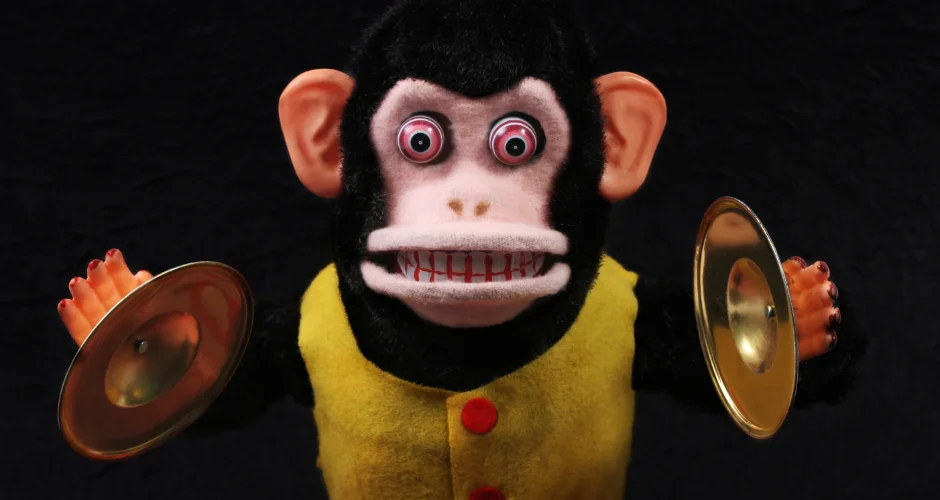
| The Instant Gratification Monkey | Wants fun now, ignores long-term consequences | Decides TikTok, reorganising the wardrobe, or a YouTube spiral is more urgent than Biology revision |
| The Dark Playground | The guilt-ridden rest that is not really rest | Spending an hour rearranging your desk instead of writing your History essay. Not relaxing, just anxious |
| The Panic Monster | Wakes up only when failure is imminent | Realising your coursework is due tomorrow and going into full emergency mode |
The Rational Decision-Maker
This is the sensible part of you that knows you have deadlines, exams, and university applications coming up. The Rational Decision-Maker makes plans, organises work, and understands that putting things off has consequences.
The Instant Gratification Monkey
This is the part of you that wants fun, and wants it now. It does not care about essays or revision. It wants TikTok, YouTube, snacks, chatting with friends. Anything that feels easy and enjoyable in the moment. When the monkey takes control, the Rational Decision-Maker gets pushed aside, and suddenly your day of revision has become a day of scrolling and snacking.
The Dark Playground
This is where the monkey leads you. You might think you're relaxing, but in reality you're feeling guilty, anxious, and stressed about the work you haven't done. That's why procrastination never feels completely fun. You're in a weird in-between, not working, but not actually relaxing either.
For A-level students, the Dark Playground might look like spending an hour reorganising your desk instead of writing your History essay, or watching another quick YouTube video before starting Psychology revision.
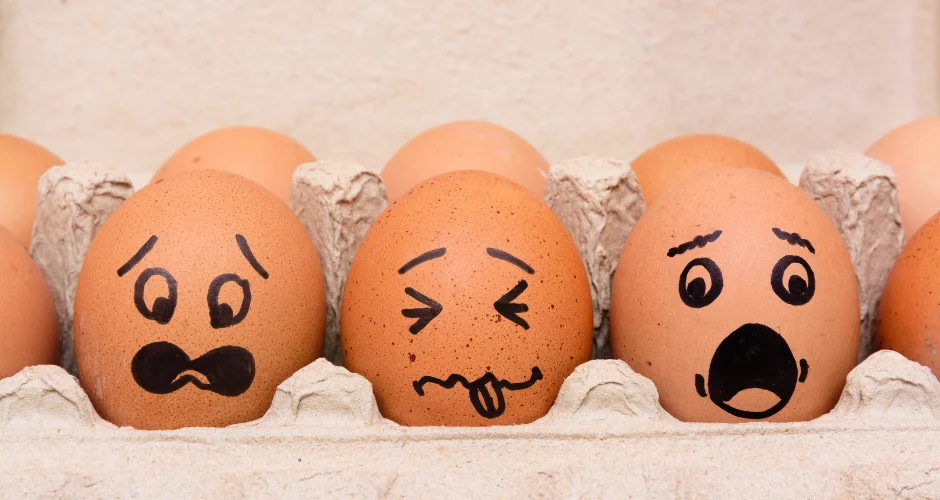
The Panic Monster
This is the terrifying creature that only wakes up when a deadline is very close, when failure is imminent, or when something really bad might happen. For example, when you realise your coursework is due tomorrow, or that you have a mock exam next week and haven't revised at all.
The Panic Monster scares the Instant Gratification Monkey away, giving the Rational Decision-Maker control again. That's why last-minute essays, all-night revision, and frantic exam preparation happen. You finally get work done, but under a lot of stress.
Why Is Procrastination Worse at A-Level?
Procrastination is a particular problem for A-level students because of how independent the work is. You're expected to plan, revise, and submit work largely on your own. Teachers won't check every step. Deadlines are weeks away. This is the perfect environment for the Instant Gratification Monkey to thrive.
The leap from GCSE to A-level, where structured class time drops and self-directed study rises sharply, is one of the biggest reasons students struggle. Our guide on building healthy study habits covers how to create the kind of consistent routine that keeps the monkey in check day to day.
Six Practical Strategies to Beat Procrastination
Recognising procrastination isn't enough. If you want to get ahead, you need strategies. Here's a summary of the six most effective ones, followed by a deeper look at each:
| Strategy | How It Works | Quick Win |
|---|---|---|
| Break tasks into smaller pieces | Removes the overwhelm that sends you to the Dark Playground | Pick one topic or one past paper question, not the whole subject |
| Create mini deadlines | Triggers the Panic Monster in a controlled way before real panic hits | Set a 25-minute timer and commit to one task only |
| Reward yourself | Trains the brain to associate completing work with positive outcomes | One episode, one snack, or a 10-minute scroll. After the work, not before |
| Change your environment | Removes distractions the monkey relies on | New room, phone in another room, headphones on |
| Visualise the consequences | Makes abstract deadlines feel real and urgent | Write exam dates on a calendar or stick a deadline reminder on your desk |
| Study with friends | Creates social accountability. Harder to visit the Dark Playground in a group | Quiz each other on topics or explain a concept out loud |
1. Break Tasks Into Smaller Pieces
Don't think 'I have to revise all of Biology tonight.' Instead, pick one topic or one past paper question. Small wins keep the Rational Decision-Maker in charge. You'll find that ticking off one topic gives you a sense of progress that builds momentum and makes the work feel far less overwhelming.
It's far easier to convince yourself to start with something small than to face a huge, daunting task all at once. Over time, these tiny victories compound.
2. Create Mini Deadlines
Pretend a section of your essay or revision must be done today. This tricks your brain into thinking the deadline is closer and wakes up the Panic Monster in a controlled way. The most effective version of this is the Pomodoro technique: 25 minutes of focused work, then a short break. You'll be surprised how much gets done in small, focused bursts, and you might even find yourself wanting to continue once the timer ends.
Mini deadlines also let you plan realistically. Our ultimate revision timetable guide shows you how to space tasks across days rather than cramming, which reduces stress and helps information stick better.
3. Reward Yourself
The monkey loves instant gratification, so let it have a controlled treat after completing a task. Finish a set of Maths past papers, then watch one episode guilt-free. Even tiny rewards work. A chocolate, a cup of tea, or a 10-minute scroll. The key is that the reward comes after the work, not before. This trains your brain to associate completing tasks with positive outcomes, which is exactly what the science of effective revision tells us about how memory and motivation are linked.
4. Change Your Environment
The monkey loves distractions. Study somewhere with no phone, or use apps to block websites that tempt you. Sometimes just moving to a different room, clearing clutter, or putting on headphones can trick your brain into thinking it's time to focus. Even small changes, like facing away from a window or sitting at a tidy desk, can improve concentration. The more work-friendly your environment, the less the monkey can interfere.
Unsure which environment works best for you? Our post on how to study based on your learning style can help you figure out the conditions where you concentrate most effectively.
5. Visualise the Consequences
Sometimes the monkey ignores abstract deadlines. Make them real. Write exam dates on a calendar, mark your coursework deadlines, or stick a note on your desk reminding you what failing to do the work will mean. Seeing the consequence physically in front of you makes procrastination harder to justify.
You can also imagine the stress of leaving everything until the last minute. This mental rehearsal can motivate you to start early, before the panic sets in.
6. Study With Friends
The Panic Monster can appear socially too. If everyone in your group is revising, it's harder for the monkey to distract you. Plus, explaining a topic to someone else is one of the best ways to make sure you really understand it yourself. Even a quick discussion or quizzing each other makes revision more engaging and less lonely.
Studying socially creates accountability. When your friends are working, you're more likely to stick to your plan and avoid the Dark Playground.

Going Further: Building Long-Term Discipline
These strategies work best when they sit inside a broader system. Our complete guide to self-study discipline covers how to build the habits that make consistency automatic rather than effortful. And if you want more variety in how you actually study, top 10 unique study techniques gives you fresh approaches that keep the monkey from getting bored.
If exam stress is building alongside procrastination (which it often does), our post on 10 tips to handle exam stress and revision tackles both the emotional and practical sides of staying on top of it.
And if you feel like you need more structured, one-to-one accountability, working with an online tutor through Sherpa gives you regular sessions with a set goal, and one of the most reliable external triggers for your Rational Decision-Maker.
Conclusion
The goal isn't to never procrastinate. That's impossible. The goal is to recognise the monkey, understand why it's so persuasive, and plan for the Panic Monster before it forces a last-minute frenzy. The Dark Playground doesn't have to win.
With small, practical strategies, you can give your Rational Decision-Maker a chance to lead, and get your work done more calmly, more efficiently, and with far less stress.
In short: procrastination is normal, it's understandable, and it can be managed. Recognise the monkey, respect the Panic Monster, and give your Rational Decision-Maker the chance to show you what you're capable of.
Parents
Students

Hannah N
Tutor
Experienced qualified Psychology Teacher with a Masters in Education. AQA Examiner.



Looking for a tutor?
Sherpa has hundreds of qualified and experienced UK tutors who are ready to help you achieve your goals. Search through our tutors and arrange a free 20 minute introduction through our industry-leading online classroom.
Find a TutorSimilar Articles